Discover Mulyono Legacy for Modern Web Typography
I was working on a redesign for a boutique online store last week, and I needed a font that could bring personality to the hero section without sacrificing readability. That’s when I stumbled upon Mulyono Legacy, a script font with a unique blend of elegance and modernity. It wasn’t just another decorative typeface—it had character, and it fit perfectly into the brand’s visual language.
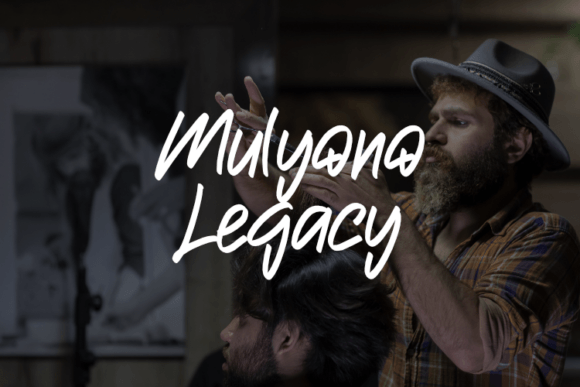
Mulyono Legacy is a handwritten script font with fluid curves and subtle variations in stroke weight. It feels like someone is writing by hand, which gives it a personal and approachable vibe. At the same time, the clean lines and consistent spacing make it feel professional and polished. This balance makes it ideal for digital projects where you want to convey warmth without losing clarity.
Testing Mulyono Legacy in a Real Project
I decided to test it on the hero section of the e-commerce site. The original headline used a standard sans serif font, but it felt too generic. When I replaced it with Mulyono Legacy, the text stood out more against the background image of a curated product display. The font didn’t overpower the visuals; instead, it added a touch of sophistication.
I also tested it on mobile. The font scaled well, and even at smaller sizes, it remained legible. For buttons and call-to-action areas, I kept the body copy in a simpler sans serif, but used Mulyono Legacy for the button text. It created a nice contrast and made the CTA stand out naturally.
Where Mulyono Legacy Shines Online
This font isn’t limited to hero sections. Here are a few places it can work well:
- Website headers: Use it for main navigation or page titles to add a personal touch.
- Landing pages: Ideal for headlines that need to grab attention quickly.
- Blog headers: Perfect for article titles that want to feel creative yet professional.
- Course sales pages: Great for emphasizing course names or taglines.
- Digital ads: Adds visual interest to banners or social media graphics.
- Portfolio sites: Works well for project titles or about sections.
It’s important to remember that while Mulyono Legacy has a decorative feel, it should be used sparingly. Overusing it can reduce readability, especially in long paragraphs. Instead, use it for short phrases, headings, or as an accent in design elements.
Readability and Responsiveness Considerations
One thing I noticed while testing was how well Mulyono Legacy performed on different screen sizes. On desktops, it looked great over full-width images. On mobile, I adjusted the font size slightly and ensured there was enough contrast with the background. Darker backgrounds worked best, but I also tested it on light ones with a subtle overlay to maintain visibility.
For small buttons or links, I avoided using Mulyono Legacy due to its complexity. Instead, I paired it with a clean sans serif font for body text and secondary elements. This helped keep the layout balanced and easy to scan.
Font Pairing Tips for Web Design
When pairing Mulyono Legacy with other fonts, I found that combining it with a simple sans serif like Helvetica Neue or Roboto created a strong visual hierarchy. The contrast between the decorative script and the clean sans serif made the content feel both engaging and trustworthy.
If the brand has a more editorial or traditional feel, pairing it with a serif font like Georgia or Merriweather can enhance the overall look. The key is to ensure the combination doesn’t feel cluttered and maintains a clear visual flow.
Choosing the Right Font Styles and Licensing
Before finalizing the font for the project, I checked the available styles and weights. Mulyono Legacy came with several variants, including regular, bold, and italic options. This flexibility allowed me to use it in different parts of the site without repeating the same style everywhere.
I also made sure the font supported the languages needed for the website and confirmed that it had proper webfont availability. Since this was a commercial project, I reviewed the licensing terms to ensure it was suitable for use on client websites, landing pages, and digital assets.
The font file formats were compatible with most platforms, and the loading speed was acceptable. No noticeable delay in performance, which is crucial for user experience and SEO.
In the end, Mulyono Legacy became a core part of the brand’s identity. It helped create a more cohesive and visually appealing online presence. Whether it’s for a boutique store, coaching site, or creative portfolio, this font adds a layer of personality that makes digital content more memorable.